

Choosing Optimal Solvents to Thin Resins for Spraying

 Wilda Harry
본문
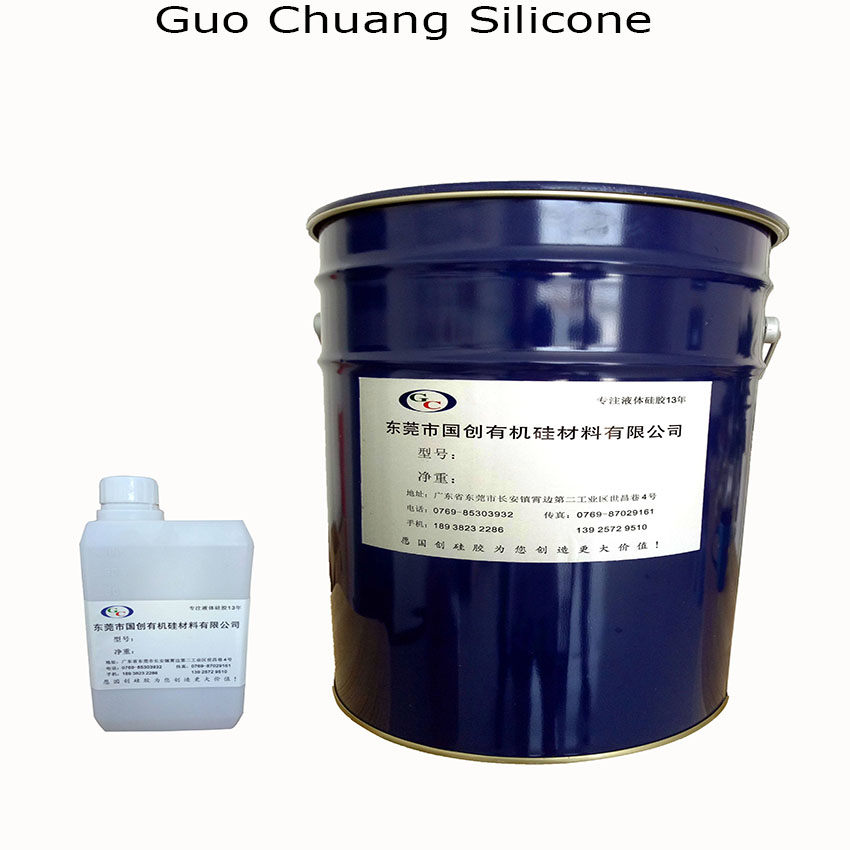
When working with resins in spray applications, picking an appropriate diluent is critical to achieving a professional-grade surface and ensuring the material performs as intended. Not all solvents are created equal, and selecting an incompatible solvent can lead to unstable mist formation, prolonged cure times, surface defects, or even complete coating breakdown. The first step in selecting an appropriate solvent is understanding the chemical nature of the resin. Epoxy, PU, Saturated polyester resin supplier, and acrylic formulations each have unique solvent affinity profiles, meaning they react uniquely to thinners. Always consult the resin manufacturer’s technical data sheet for suitable solvent options.
Next, consider the your spray system type. Airless, HVLP, and conventional spray systems each have different pressure and flow requirements. A solvent that is rapidly evaporating may clog nozzles prematurely, causing flow interruptions and spattering. On the other hand, a solvent that lacks sufficient evaporation rate can lead to sagging or runs on vertical surfaces. Balancing evaporation rate with ambient conditions such as temperature and humidity is essential. In chilly, damp conditions, a longer-drying thinner may be needed to promote smooth film formation. In hot, arid climates, a quick-drying agent might help prevent excessive flow.
Another important factor is safety and environmental impact. Many traditional solvents like benzene derivatives and aromatic hydrocarbons are highly volatile organic compounds that pose health risks and are restricted by EPA and OSHA guidelines. Whenever possible, opt for eco-conscious diluents such as acetone, ethanol, or bio-based resins formulated for industrial polymer use. These options can minimize inhalation risks and help pass regulatory audits without sacrificing performance.
Always perform a lab-scale validation before full production. Mix the resin with the chosen solvent in the optimal dilution percentage and coat a trial surface. Observe the mist distribution, flash-off duration, and final finish. Look for signs of lack of substrate penetration, air entrapment, or hazing, which may indicate solvent-resin mismatch. Adjust the solvent blend if necessary, keeping in mind that sometimes a mixture of solvents provides the optimal trade-off between flow, dry time, and performance.
Finally, follow safe containment protocols and label all containers clearly. Cross-contamination due to poor handling can compromise entire production runs and corrode spray guns. Keep comprehensive logs of the optimal solvent-resin pairings and under what conditions. This documentation will streamline future operations in future projects. By taking a structured, evidence-based process to solvent selection, you can achieve flawless finishes, boost production throughput, and guarantee repeatable performance.
댓글목록0
댓글 포인트 안내